
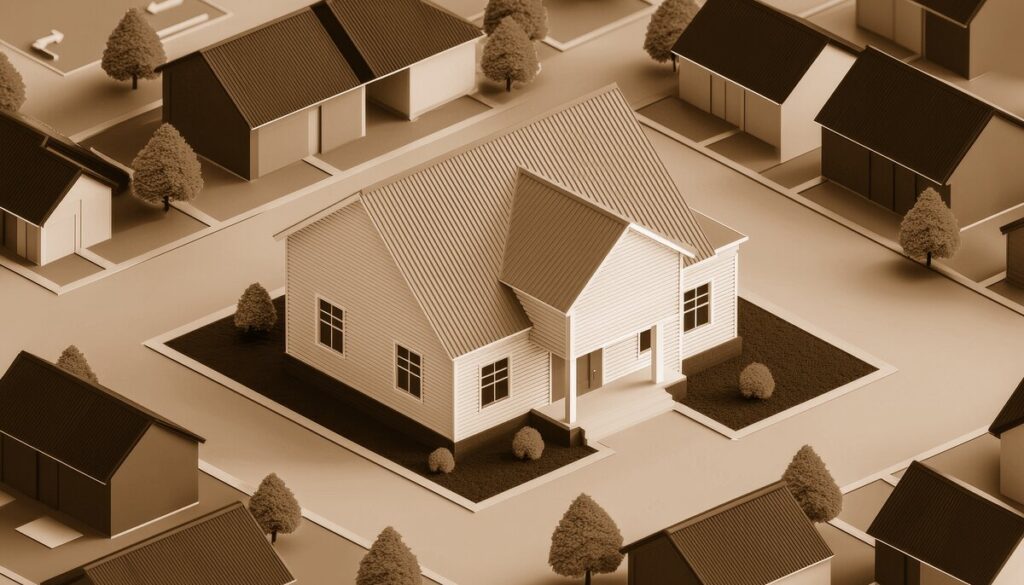
Introduction: A Glimpse into Park View Square
Nestled in the vibrant city of Miramar, Park View Square is more than just a neighborhood—it’s a community where stories unfold, memories are built, and traditions are cherished. For decades, this residential pocket, bordered by iconic Miramar streets and lush parks, has offered residents a tapestry of history and heritage. As a longtime local, let me take you on a journey through Park View Square’s cherished past and evolving present.
Origins: Planting the Seeds of a Neighborhood
Park View Square’s roots go back to the post-war housing boom of the 1950s and early 1960s, when Miramar was experiencing rapid growth. The city itself was incorporated in 1955, named after the beautiful Miramar area in Havana, Cuba—a nod to the city’s growing Cuban-American population. As Miramar expanded westward from the Dade-Broward county line, Park View Square emerged as a suburban haven for families seeking both tranquility and community.
The neighborhood’s name, “Park View Square,” pays homage to its proximity to several green spaces and parks, most notably Shirley Branca Park and the historical Fairway Park nearby. The “Square” reflects the original planning: a charming patchwork of residential streets forming nearly a square grid bounded by Miramar Parkway, SW 68th Avenue, and the serene green views to the south and east.
Key Historical Milestones
- 1960s—A Suburban Dream: The first homes in Park View Square were modest single-family residences lined with palm-shaded yards, characteristic of mid-century South Florida architecture. Early residents were a mix of young professionals and retirees, many of whom worked in Miami or Fort Lauderdale but sought a quieter life.
- 1970s—A Community Grows: As Miramar’s population grew, Park View Square saw the addition of small businesses along Miramar Parkway. The neighborhood’s original elementary school, Miramar Elementary, became both a center of learning and a local landmark.
- 1980s–90s—Diversity Blooms: With new waves of immigrants arriving from the Caribbean, Latin America, and beyond, Park View Square became a tapestry of cultures. Community associations organized annual block parties, potlucks, and sports tournaments, fostering a spirit of unity that endures to this day.
- 2000s—Revitalization and Preservation: As Miramar blossomed into a hub for arts and culture, Park View Square benefitted from city-led beautification and infrastructure upgrades, including improved sidewalks and tree plantings, maintaining its unique charm amid surrounding development.
Notable Landmarks and Buildings
While Park View Square prides itself on its homey residential character, it is also rich with landmarks that tell its story:
- Shirley Branca Park: Located just southeast of the neighborhood, this park is beloved for its shady walking trails, playground, and frequent community events like the annual Miramar Latin Music Festival.
- Miramar United Methodist Church: Sitting on the northern edge of Park View Square along SW 68th Avenue, this longstanding institution has been a pillar for generations, hosting food drives and local celebrations.
- Historic Homes Along SW 33rd Street: Some original ranch-style homes from the 1960s still stand, lovingly maintained by residents as a nod to Park View Square’s architectural heritage.
- Miramar Memorial Hospital (nearby): Not directly within the neighborhood but integral to the community’s sense of security and well-being, established in the late 1970s.
Streets and Spaces that Define Park View Square
Stroll down SW 33rd Street or SW 67th Way, and you’ll feel the pulse of the neighborhood: neighbors chatting from their porches, the scent of barbecues in the air, and children riding bikes down tree-lined sidewalks. The proximity to Miramar Parkway means easy access to city life, but within the “square,” things move at a friendlier pace.
Shirley Branca Park, with its outdoor amphitheater, has become a cultural magnet, drawing both families and artists to enjoy open-air performances. The playground here is where many Park View Square residents, young and old, first made lifelong friends.
Evolution: Embracing Change While Honoring the Past
Park View Square has evolved alongside Miramar itself. The 21st century brought new challenges, including rising real estate values and changing family dynamics, but the neighborhood has remained remarkably resilient without losing its sense of identity.
Recent years have seen a new generation of families moving in, breathing fresh energy into block associations and revitalizing beloved traditions like the annual yard sale and June picnic in the park. Local schools, including Miramar High and Sea Castle Elementary, continue to serve as pillars of education and pride.
Why Park View Square Remains Special
Ask any resident what makes Park View Square unique, and you’ll hear a recurring theme: a genuine sense of belonging. Here, every street has a story, and every neighbor is a friend. The blend of classic homes, community gatherings at Shirley Branca Park, and the ever-present backdrop of Miramar’s lush urban canopy make Park View Square a special piece of the city’s tapestry.
For newcomers and longtime residents alike, Park View Square is the embodiment of Miramar’s spirit—diverse, welcoming, and full of heart.
Conclusion: A Living Legacy
From its humble beginnings as an enclave for new arrivals in South Florida to its current role as a proud, multicultural neighborhood, Park View Square stands as a testament to Miramar’s promise and resilience. Those who call it home care deeply for its streets, parks, and people. That legacy, written in the laughter of children at play and the festivities of community gatherings, ensures that Park View Square’s story is far from finished—it’s only getting richer with time.